
English · 15. Juli 2026
Some projects should not be saved. The real test of leadership is knowing when to stop protecting a past decision – and start protecting future capital.

English · 07. Juli 2026
A ten-minute decision can cost a major project six weeks. When ownership is missing, delays spread far beyond the schedule – eroding momentum, trust, and cost control long before the consequences become visible.
English · 23. Juni 2026
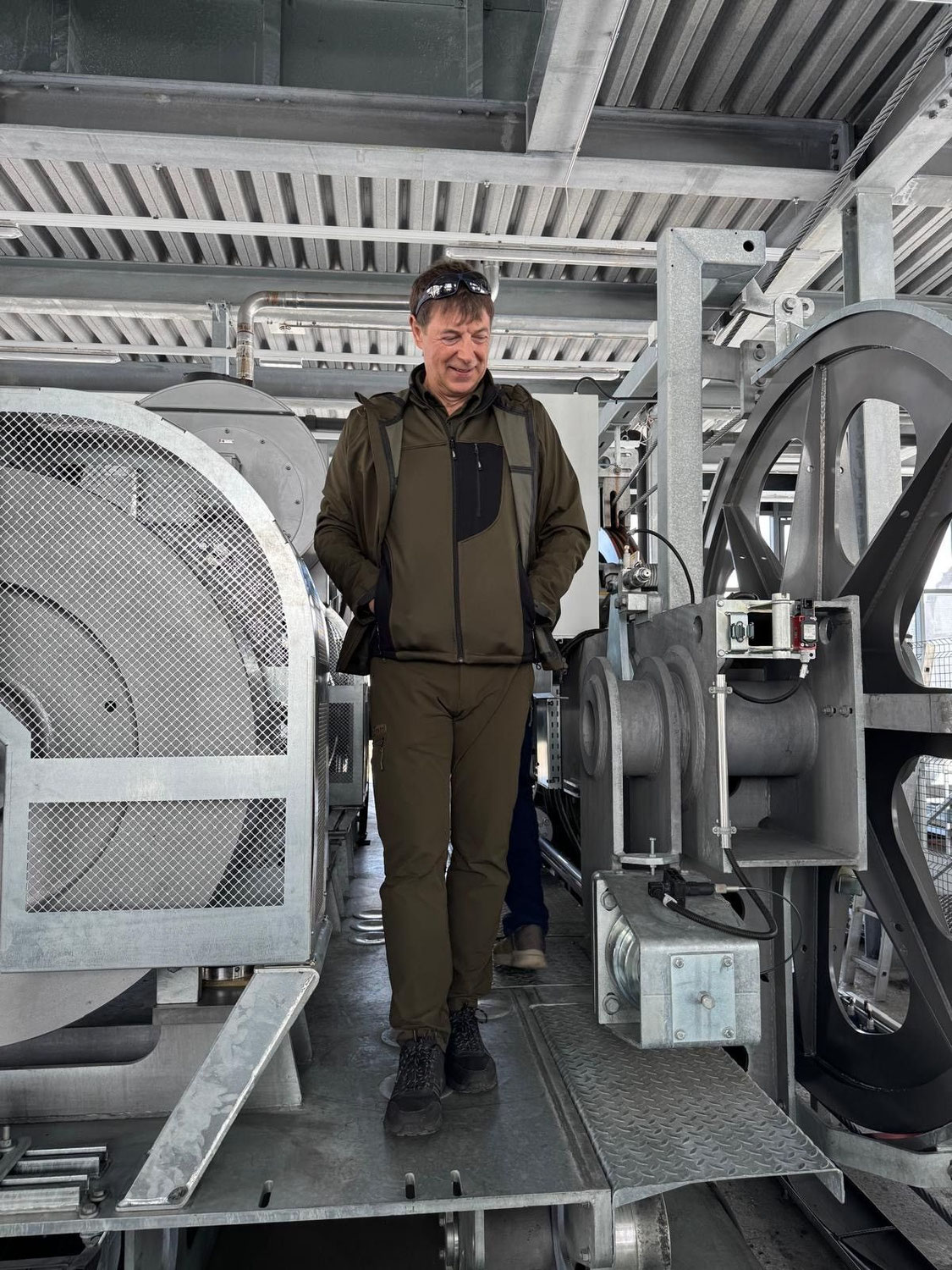
A ski lift reveals what major projects often hide: success depends on how the entire system performs under load. Strong leadership means recognizing friction, weak interfaces, and early warning signs before movement turns into drift.

English · 17. Juni 2026
A green dashboard does not always mean a healthy project. Reality leaves warning signs long before consequences appear – and strong leaders are willing to see them early.
English · 02. Juni 2026
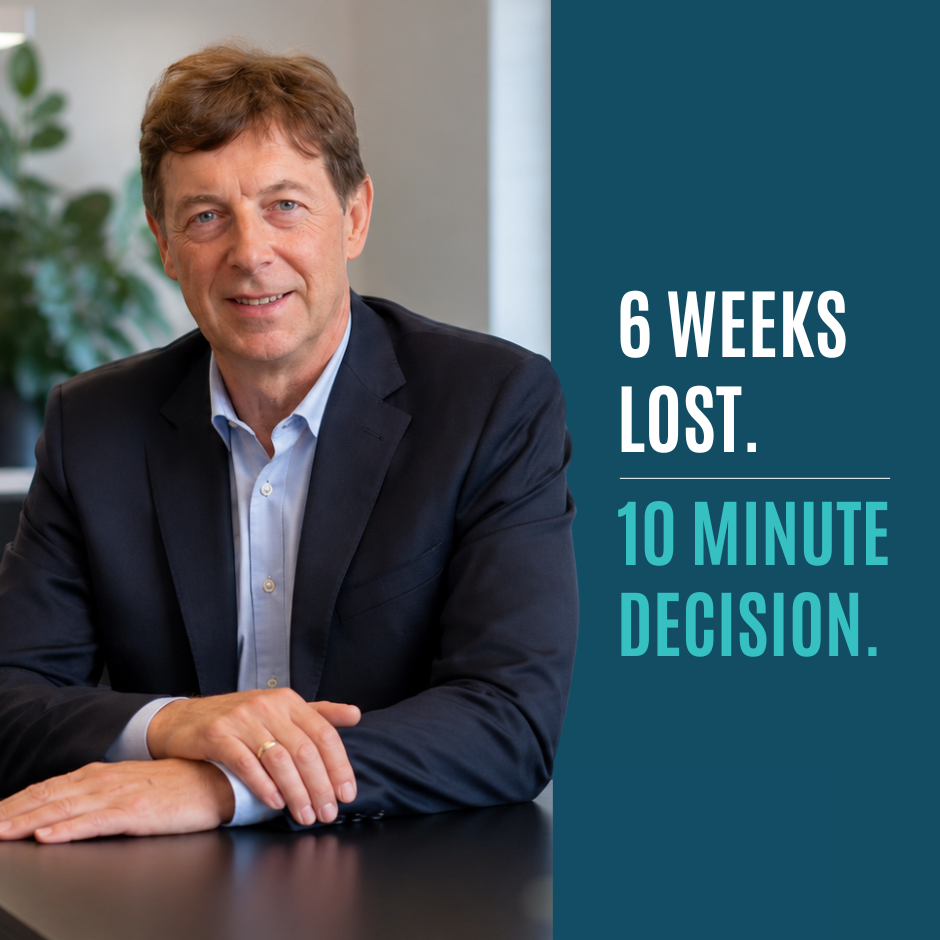
The most expensive activity on a major project is often waiting. Delayed decisions quietly drain momentum, increase risk, and drive up costs – even when everyone appears busy. In large CAPEX projects, real progress comes not from activity, but from timely decisions.
English · 26. Mai 2026
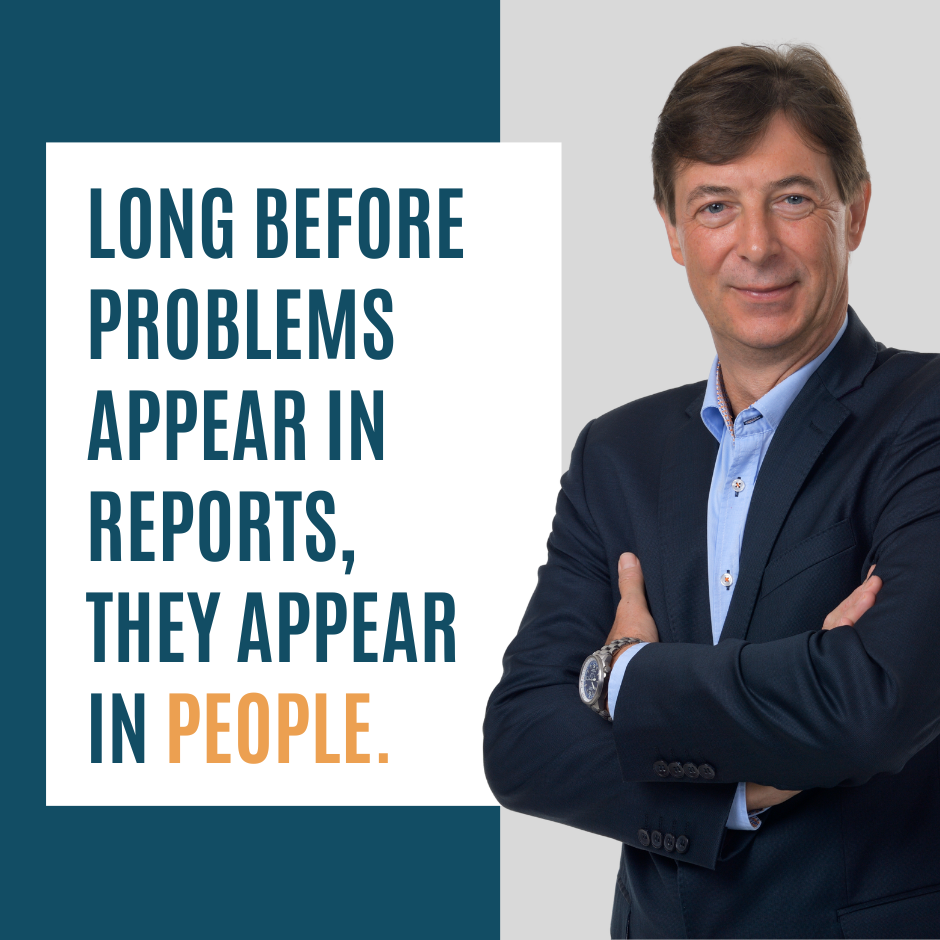
Project issues rarely start in reports – they start in conversations left unsaid. This article explores the importance of trust, open communication, and leadership presence, showing how listening to people on the ground can uncover risks long before they appear on a dashboard.
English · 12. Mai 2026
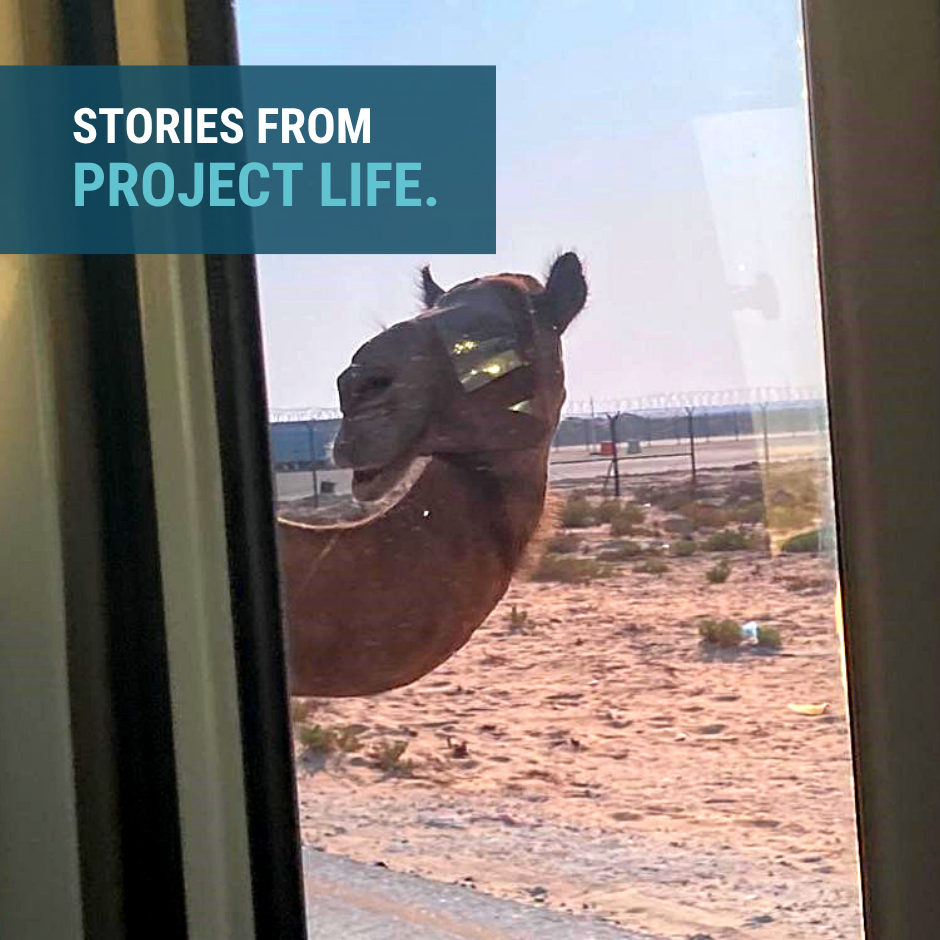
In this personal reflection, the CEO of PM&C Project Management and Consulting shares lessons learned from life on international project sites – highlighting the challenges, sacrifices, and human connections behind major industrial projects. It's a reminder that while projects build plants, they also shape the people who bring them to life.

English · 07. Mai 2026
Projects often slow down not because teams lack effort, but because complexity replaces clarity. Too many meetings, stakeholders, and layers of coordination can keep teams busy without creating real progress. The strongest project teams move differently – they simplify early, reduce friction, make faster decisions, and stay focused on execution.

English · 23. April 2026
Most projects don’t collapse in crisis. They erode in silence; rhrough delayed decisions, unclear ownership, and avoided escalation. The real risk isn’t complexity. It’s hesitation.

English · 16. April 2026
Geopolitics shifts. Regulation tightens. AI promises clarity. Yet projects struggle more than ever. The real gap? Leadership close to execution.