
English · 27. November 2025
Most project delays don’t occur on-site, but rather in the boardroom. They are caused by misalignment, slow decision-making, and too many contractors. Having a single accountable partner accelerates decisions, increases clarity, and prevents schedule and cost drift.

27. November 2025
Wenn Informationen nicht fließen können, steigt das Risiko.
Führungskräfte sollten sich deshalb fragen:
Ermöglichen unsere Richtlinien eine sichere Zusammenarbeit?
Oder schaffen sie unbeabsichtigt Barrieren?

English · 13. November 2025
Most project delays don’t occur on-site, but rather in the boardroom. They are caused by misalignment, slow decision-making, and too many contractors. Having a single accountable partner accelerates decisions, increases clarity, and prevents schedule and cost drift.

Deutsch · 13. November 2025
Most project delays don’t occur on-site, but rather in the boardroom. They are caused by misalignment, slow decision-making, and too many contractors. Having a single accountable partner accelerates decisions, increases clarity, and prevents schedule and cost drift.
English · 21. Oktober 2025
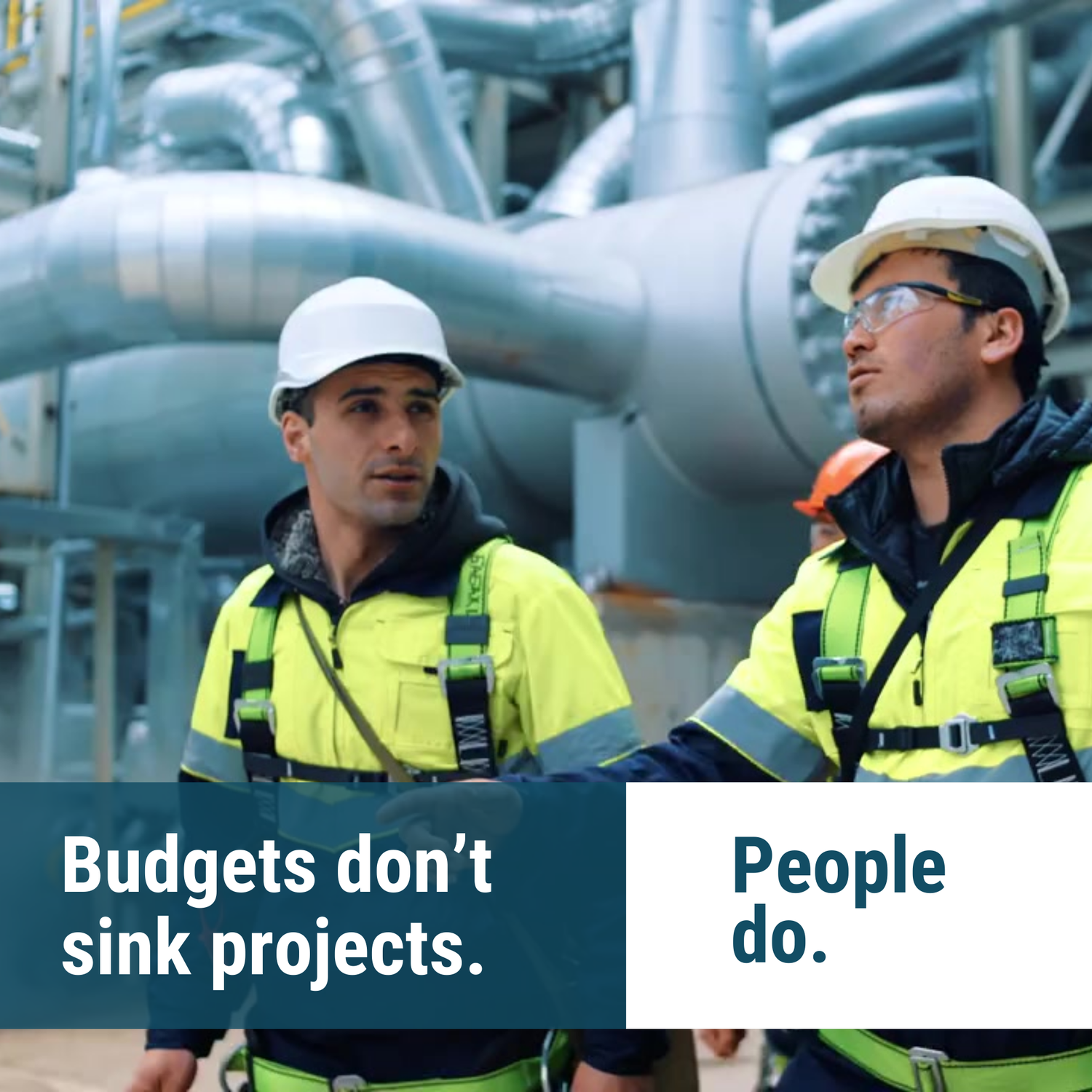
Most project crises aren’t about numbers. They’re about people.
We see it all the time: Silos instead of collaboration. Conflicts that never get resolved. Communication breakdowns. No respect for cultural or personal differences.

Deutsch · 21. Oktober 2025
Die meisten Projektkrisen haben nichts mit Zahlen zu tun. Es geht um Menschen.
Wir sehen es ständig: Silos statt Zusammenarbeit. Konflikte, die nie gelöst werden. Kommunikationsprobleme. Keine Achtung vor kulturellen oder persönlichen Unterschieden.
English · 13. Oktober 2025
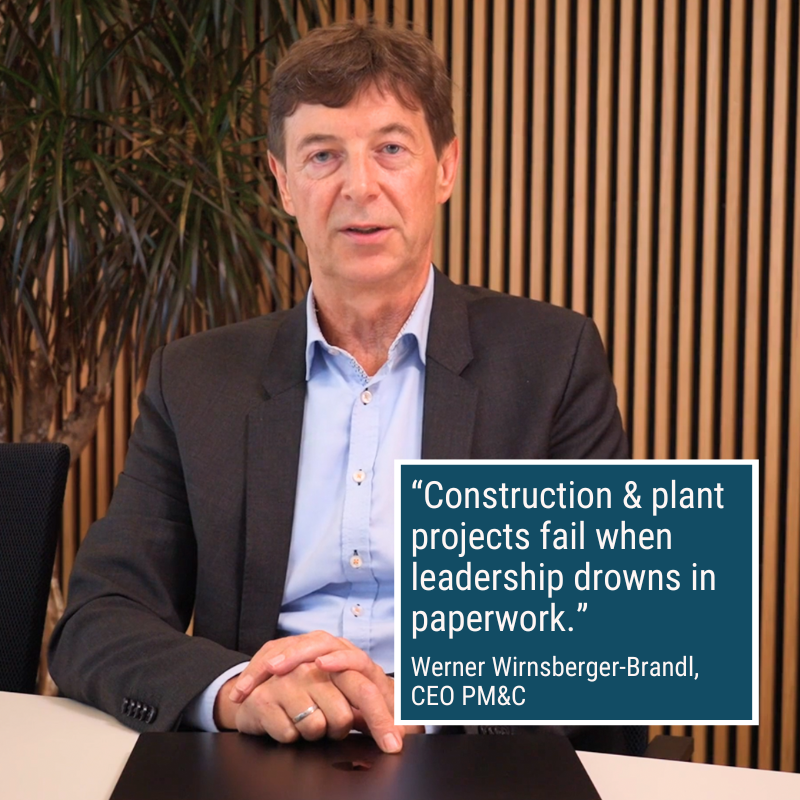
Construction and plant projects don't fail because people aren't working hard enough. They fail when leadership drowns in paperwork.
Deutsch · 13. Oktober 2025
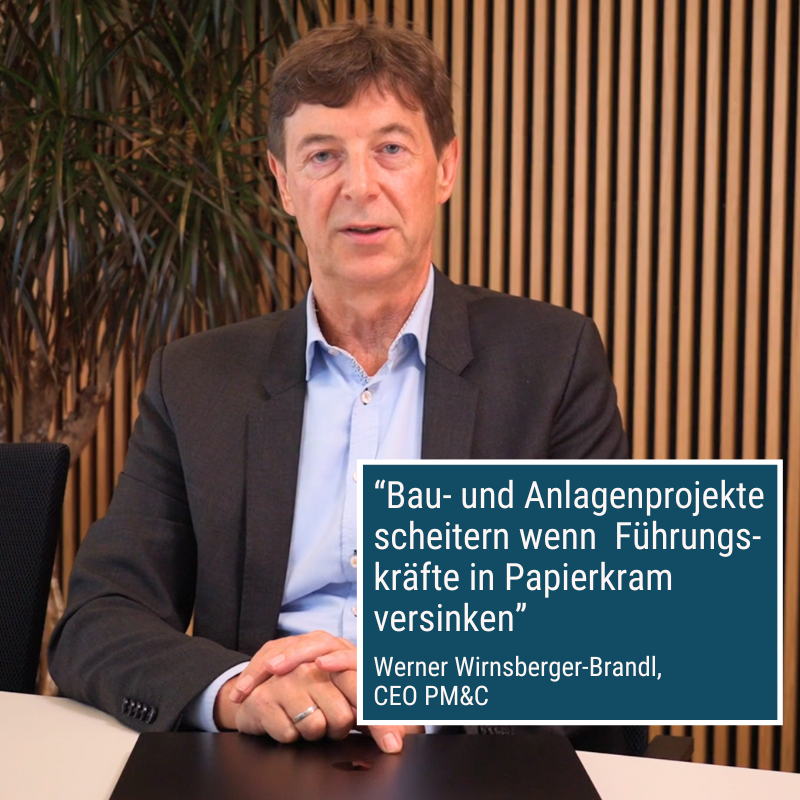
Bau- und Anlagenprojekte scheitern nicht, weil die Menschen nicht hart genug arbeiten. Sie scheitern, wenn die Führungskräfte in Papierkram versinken.

English · 24. März 2022
There are 12 known factors that can negatively impact your project delivery. Even one of these factors can cause project delays and cost increases. The interaction of several of these factors can mean the collapse of a project.

Deutsch · 24. März 2022
Es gibt 12 bekannte Faktoren, die sich negativ auf Ihre Projektabwicklung auswirken können. Schon einer dieser Faktoren kann zu Projektverzögerungen und Kostensteigerungen führen. Das Zusammenspiel mehrerer dieser Faktoren kann den Zusammenbruch eines Projekts bedeuten.